Standby generators and transfer switches for Yakima Valley homes
A generator is only half of a backup power system. The transfer switch is the part that keeps it safe.
October 6, 2026 · 3 min read
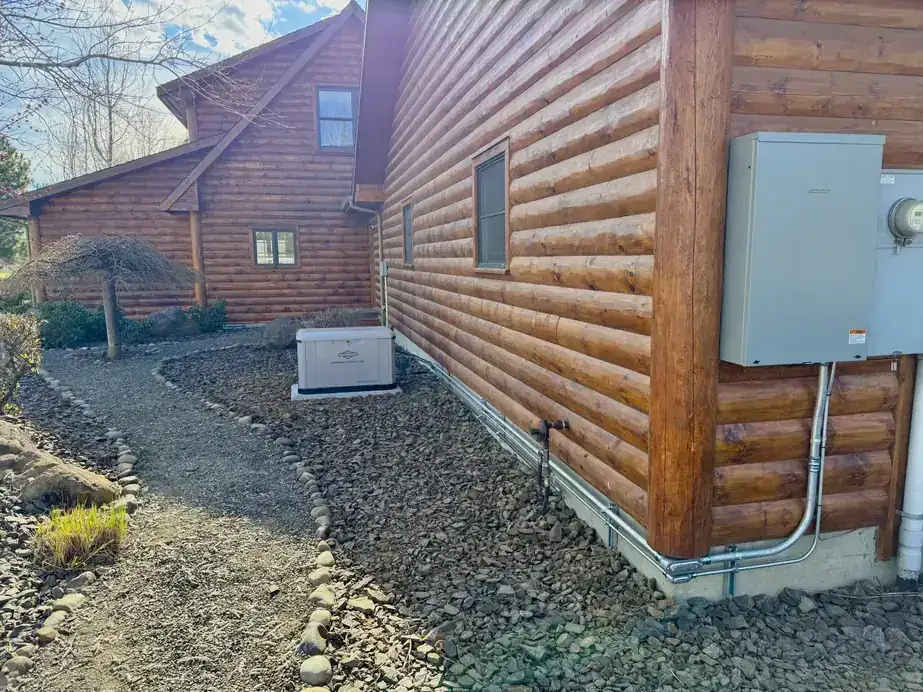
Winter storms and windstorms knock out power somewhere in the valley every so often. If you've sat through a long one with a freezer full of food, a well pump that won't run or a furnace blower that has stopped, you've probably wondered about a generator.
The generator itself is the easy part to picture. The part people forget is how it connects to the house. That connection is the transfer switch, and it's the most important piece of a safe backup system. Wattsmart Electric installs generators and transfer switches around Yakima, Selah, Ellensburg and Kittitas, and here's what we'd want you to know before you buy.
Why the transfer switch is not optional
A transfer switch disconnects your house wiring from the utility lines before it connects to the generator. That separation does two jobs.
- It protects the people working on the power lines. Without it, your generator can send electricity back out through the service and onto lines that linemen believe are dead.
- It protects your generator and your appliances. When utility power returns, the switch keeps the two sources from ever meeting.
Plugging a generator into a wall outlet with a homemade cable is dangerous, and electricians see the aftermath of it. If you've been told that's an acceptable shortcut, please don't believe it. A properly installed transfer switch is the way to do this.
Standby versus portable
A standby generator sits outside your house on a pad, connected to a fuel supply, and starts on its own when the power drops. A portable generator lives in your garage or shed, and you wheel it out, fuel it and start it yourself. Both can work with a transfer switch. Wattsmart has wired homes for both kinds, including a customer who bought a tri-fuel generator and had the house wired for backup in the same project.
Which is right comes down to how much you want automatic, how big a load you need to carry and what fuel is available at your property. If you're not sure, ask us and we'll talk through it without a sales pitch.
What an install includes
- A site visit to look at your panel, your meter and where the generator could sit, and a talk about fuel options.
- A transfer switch matched to what you want to run. Some homeowners back up the whole house. Others pick a handful of circuits, such as the furnace, the refrigerator, the well pump and a few lights.
- A set of wires from the generator location to the transfer switch, and from the switch to the panel.
- Placement of the generator pad or inlet, with attention to clearance from windows, doors and the house.
- Inspection of the finished installation. Your inspector will confirm what applies to your property.
Fuel supply is part of the plan too. Ask us what needs to be arranged and when.
Choosing what to power
It helps to write down what matters in an outage before the electrician arrives. Start with the essentials: heat, refrigeration, water, lights, medical equipment, internet. Then add comfort items. Large loads such as electric ranges, dryers, hot tubs and air conditioning put the biggest demand on a generator, and those are what drive the size and price of the system.
If you're considering adding a hot tub, a swim spa or an electric vehicle charger, tell us now. We've installed service for a swim spa and wired a house for a generator in the same job, and planning together avoids rework.
Where it goes matters
Generators produce exhaust that can be deadly indoors, so placement is a safety question, not a looks question. Keep portable units well away from the house, never in a garage or enclosed space, even with the door open. A standby unit has its own placement rules, and your electrician and inspector will both have a say.
Snow is a Yakima Valley factor too. A unit tucked where a roof avalanche or drift can bury it won't help you in the storm you bought it for. Mention your winter conditions when we look at the site.
Test it and take care of it
A generator is a machine. It needs fresh fuel, periodic exercise runs and the maintenance in the maker's manual. The worst time to find out it won't start is during an outage. Ask whoever sells you the unit about the schedule and write it on your calendar.
Thinking about backup power? See our residential services at /residential, or call Wattsmart Electric at (509) 902-8040. You can also reach us through /contact.
Wattsmart Electric, (509) 902-8040
Call (509) 902-8040More articles
Zinsco, Federal Pacific, Murray and Sylvania panels: what's in your garage?
Four panel brands show up again and again when older Yakima Valley homes get inspected. Here's how to find out which one you have.
What a one-day panel replacement actually involves
Swapping a panel in a day sounds like a lot to fit into a Tuesday. Here's the sequence, and who handles which piece.